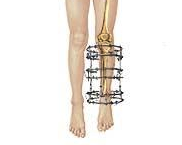
Limb Lengthening
Leg lengthening surgery with the Ilizarov technique and intramedullary nails
Dr. Daniele Pili performs limb lengthening and leg lengthening procedures for limb length discrepancies, achondroplasia, post-traumatic conditions, and cosmetic purposes, using advanced external fixation techniques and lengthening intramedullary nails.
Our team is internationally recognized as one of the most authoritative in the field of limb lengthening worldwide.
Through the use of Ilizarov circular external fixators and/or other advanced surgical techniques, such as expandable intramedullary nails, we are able to successfully correct major limb length discrepancies and achieve significant limb lengthening. These methods allow patients to restore harmony in body proportions and greatly improve their quality of life.
Leg lengthening before and after
Femur lengthening
Femur lengthening with an intramedullary nail (Precice II) of 8 cm
Upper limb lengthening before and after
Right humerus lengthening of 10 cm

8 Cm Bilateral leg lengthening with Hybrid External Fixator HEF
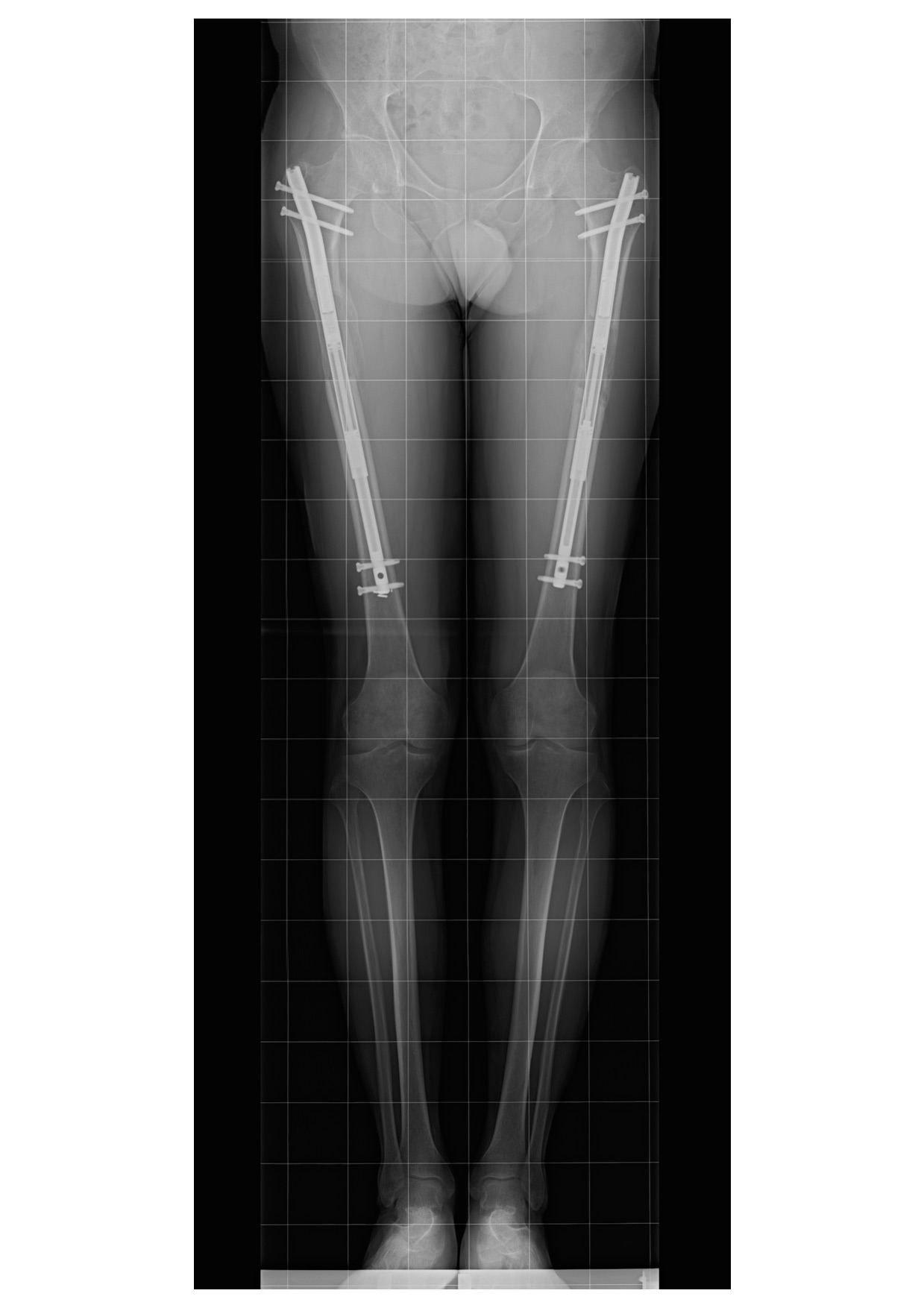
Bilateral di 8 cm femur lengthening with (Precice II) IM Nail
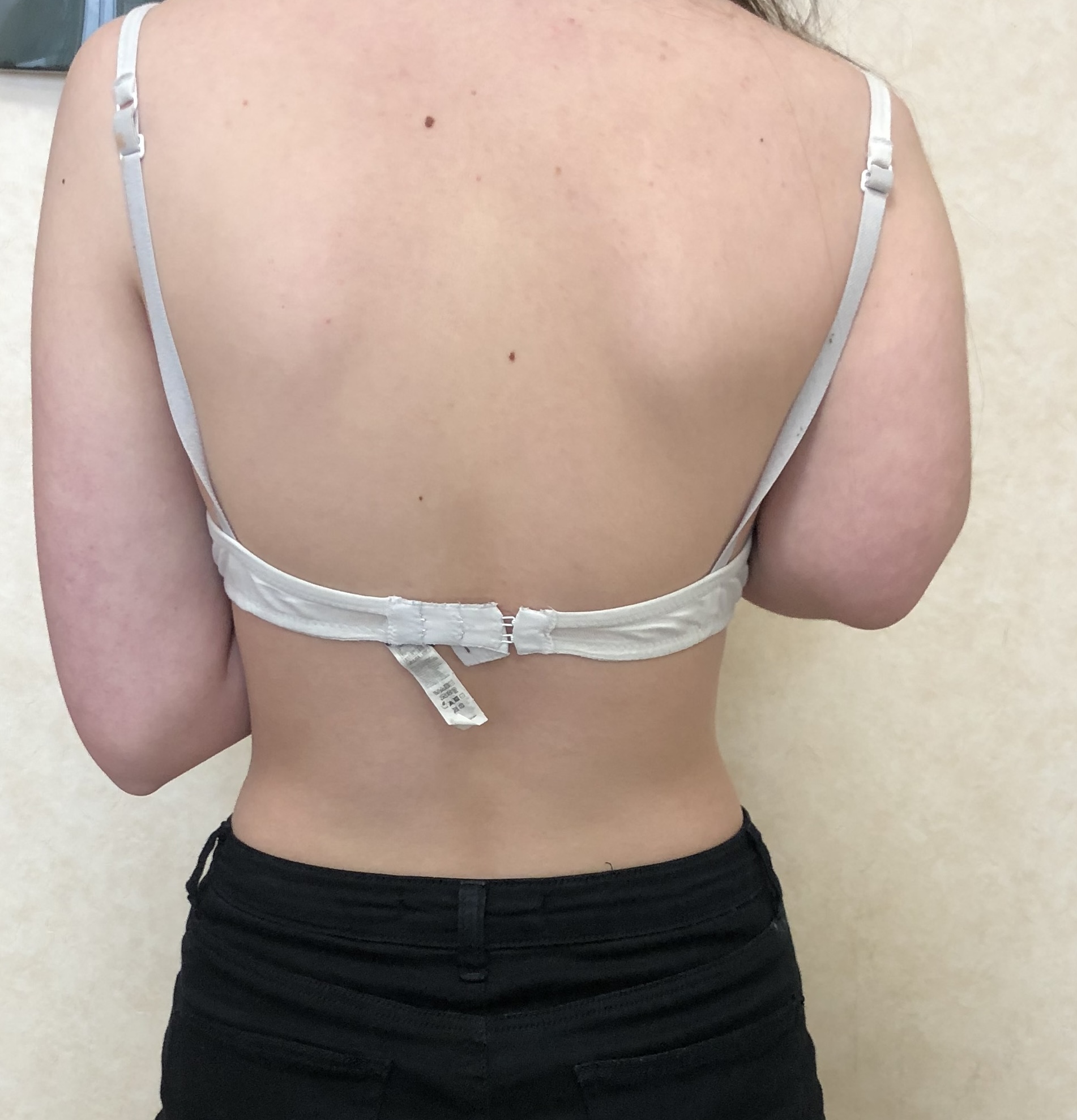
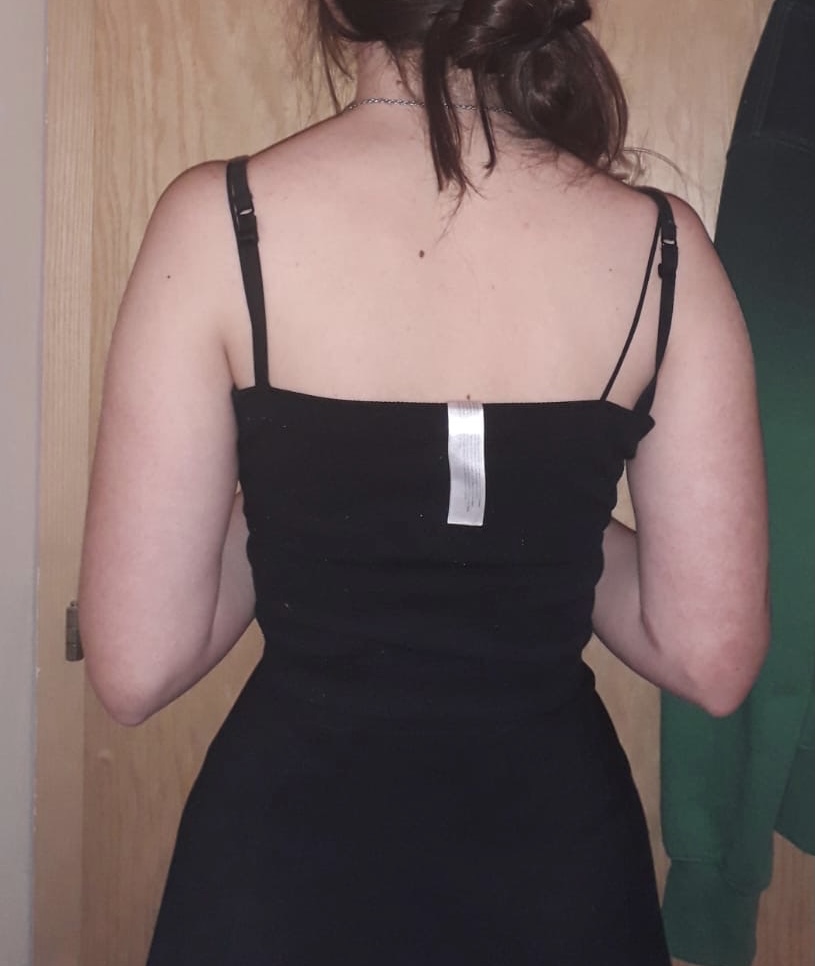
10 cm Humerus Lengthening
Which bone segments can be lengthened?
In general, the tibias or femurs in the lower limbs and the humeri in the upper limbs can be lengthened. Rarely, and only when indicated, the forearm can also be lengthened.
When should a limb lengthening procedure be considered?
Limb lengthening is a procedure regularly performed on patients affected by various forms of dwarfism, provided they consider it necessary in order to carry out their normal daily activities. However, the indication for this procedure can also be extended to patients with idiopathic short stature or for purely cosmetic reasons. These surgical techniques are also used in cases of limb length discrepancies, either congenital or acquired, which cause a difference in length between the limbs.
How many centimeters can be gained with leg lengthening surgery?
The number of centimeters that can be gained depends on the surgical technique used, the patient’s characteristics, and the treatment goals. In most cases, a safe lengthening of 6-8 cm per bone segment (femur or tibia) can be achieved in a single procedure. In carefully selected patients, a second procedure performed after complete healing can make it possible to reach a total increase of 10-15 cm. During the specialist consultation, Dr. Daniele Pili carefully evaluates bone structure, soft tissue quality, and the patient’s expectations, defining a personalized program that allows the best possible result while maintaining high safety standards. The aim is not only to increase height, but also to preserve correct limb function and ensure optimal recovery.
How is limb lengthening performed?
Limb lengthening can be performed using different techniques. In most cases, external fixators or lengthening intramedullary nails are used.
Lengthening is performed in three main stages:
- Surgery
- Lengthening phase
- Consolidation phase.
These methods have advantages and disadvantages that must be carefully assessed before surgery.
Telescopic nails can lengthen up to a maximum of 8 cm. If a greater lengthening is desired, multiple procedures are required.
Of course, the amount of lengthening is carefully assessed in order to maintain correct proportions and respect the muscles and tendons.
What are the most innovative techniques for limb lengthening?
The available techniques include:
Lengthening with a circular external fixator, with osteotomy at one or two levels and the possibility of correcting any deformities (varus/valgus tibia, limb length discrepancies, etc.).
Lengthening with a lengthening intramedullary nail.
Lengthening with an external fixator and intramedullary nail, a combined technique.
More information on the technique using the HEF hybrid circular external fixator
What factors should be taken into account before undergoing limb lengthening surgery?
Safety is the most important factor in avoiding complications, which in any case occur at rates of around 5%. To avoid complications, the surgeon’s experience and the patient’s cooperation are extremely important.
How much experience does your team have in limb lengthening?
Our team has one of the broadest experiences in the world in limb lengthening and performs these procedures routinely. Every year we complete around 250-300 procedures of this type.
Surgery to become taller: is it possible?
Today it is possible to increase height through limb lengthening surgery using the Ilizarov technique, combined systems such as LON and LATN, or modern expandable intramedullary nails such as Precice, G-Nail and Precice Max.
Can leg lengthening be performed for cosmetic purposes?
Yes, this type of procedure can also be performed for cosmetic purposes. Naturally, each case must be carefully assessed.
How much does leg lengthening surgery cost?
The cost of leg lengthening surgery depends on the surgical technique used, the type of device employed (external fixator or intramedullary nail), the number of bone segments to be treated, and the complexity of the clinical case. The simplest treatments, performed with an external fixator in selected centers abroad, such as Tirana (Albania), may start from approximately EUR 15,000-16,000. More modern techniques with motorized intramedullary nails and more complex cases require a significantly higher investment. After a specialist consultation and a thorough clinical and radiographic assessment, Dr. Daniele Pili defines the most appropriate treatment plan and provides a detailed, personalized quote, explaining the advantages, limitations, and costs of the different available solutions.
What will the scars look like?
This depends on the lengthening method, but scars range from a few millimeters up to 1 cm for external fixators and are slightly larger for telescopic nails. These scars are barely visible one year after surgery. To give you a clear idea, your surgeon will show you photos during the consultation.
How much pain will I have?
Immediately after surgery, fairly strong painkillers are required, but the pain decreases as the days pass. After the first two weeks, it is mild and is almost absent after the lengthening period. Pain is nevertheless quite subjective, but it is usually well tolerated with adequate pain management.
What are the risks of leg lengthening surgery?
Like any surgical procedure, leg lengthening surgery carries risks and possible complications. These include infections, joint stiffness, muscle-tendon contractures, delayed or failed bone healing (nonunion), axis deviation during lengthening, breakage of fixation devices, difficulty or need for retention of fixation devices, and, more rarely, nerve or vascular injuries. As with any major surgical procedure, there is also a very low risk of thromboembolic complications, such as deep vein thrombosis or pulmonary embolism. It is important to underline that these complications have very different probabilities, and the real risk must always be assessed individually. During the specialist consultation, the surgeon discusses in detail the expected benefits, possible risks, and the probability of each complication occurring, helping the patient understand whether the potential advantages of the procedure outweigh the risks and whether lengthening is truly the most appropriate choice for their case.
What can I do to prepare for surgery?
Exercise. Read and carefully follow the advice and instructions that will be provided before surgery. Stop smoking.
Preparing from a social point of view is essential to ensure that you are adequately supported during the lengthening period and then during consolidation.
You will also need to keep yourself available for the scheduled postoperative appointments.
How long does recovery take after leg lengthening surgery?
Recovery times after leg lengthening surgery vary depending on the surgical technique used, the amount of lengthening, and the patient’s characteristics. The values reported below are indicative and represent an average for cases treated with 5-8 cm of lengthening.
These are average values:
- lengthening phase;
- 50-80 days with intramedullary nails
- 100-120 days with an external fixator
- 60-90 days with combined methods
- consolidation phase;
- 30-60 days on average with intramedullary nails
- 90-100 days with an external fixator
- 60-90 days with combined methods
- physiotherapy;
- daily independently and at least 2 supervised sessions per week during the lengthening period and for 1 month afterward
- return to daily activities.
- 50-80 days with intramedullary nails
- 270-360 days with an external fixator
- 75-100 days with combined methods
During the specialist consultation, Dr. Daniele Pili provides a personalized estimate of recovery times based on the planned lengthening program and the patient’s goals.
Do I need to book a specialist consultation before surgery?
Yes, absolutely. Even though the information we can provide by email alone is very detailed, a preoperative assessment consultation is always necessary.
During the consultation, the following will be assessed:
- the feasibility of the procedure
- the timing of any pre-surgical appointments
- the most appropriate degree of lengthening
How do I book a consultation?
By contacting your surgeon or booking through the Appointments link in the main menu, or by contacting us directly.
Does the Italian National Health Service fund limb lengthening surgery for cosmetic reasons?
No, the Italian National Health Service does not fund procedures of this kind, and they must be fully paid for by the patient. However, payment methods may be available through financing options. Ask your surgeon for more information.
What can I do with an external fixator?
To learn more, follow this link
For any further questions, please contact us through this link.
More information on the Hybrid External Fixator technique
More information on extendable nail Leg Lengthening with Stryde, PreciseII or ISKD
More information on external fixation over internal nail
Follow this link for further answers to your questions